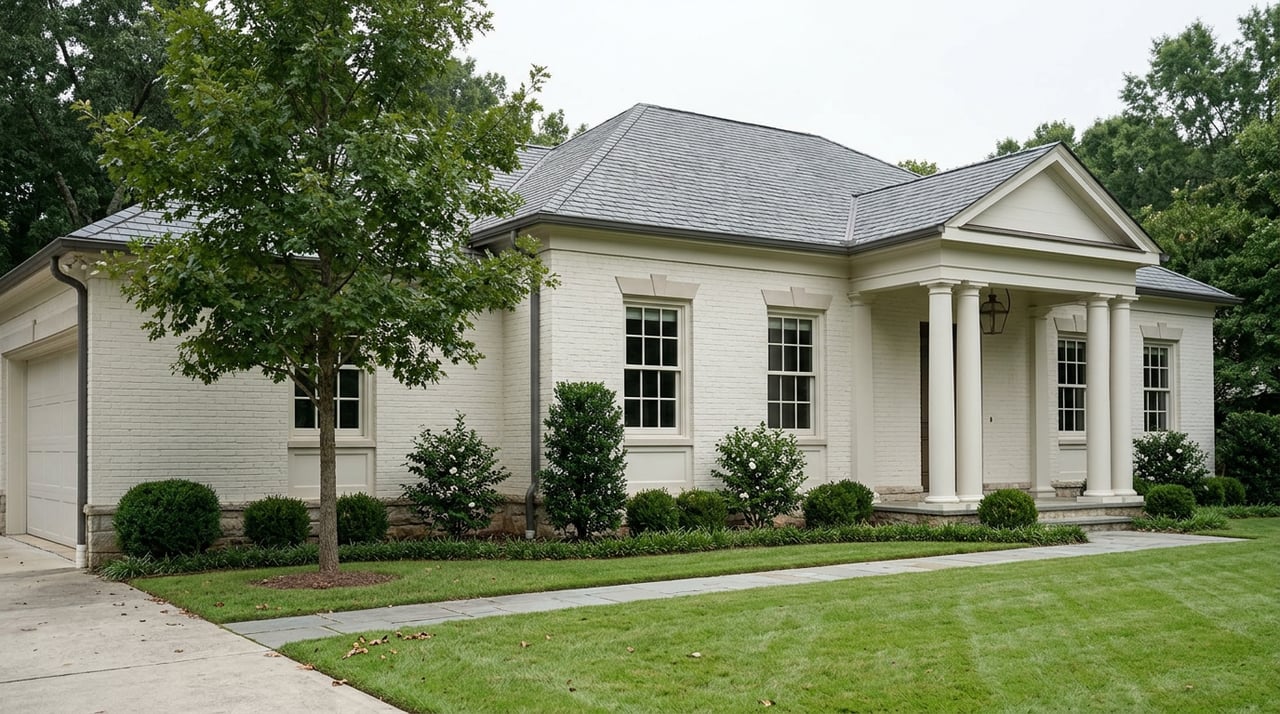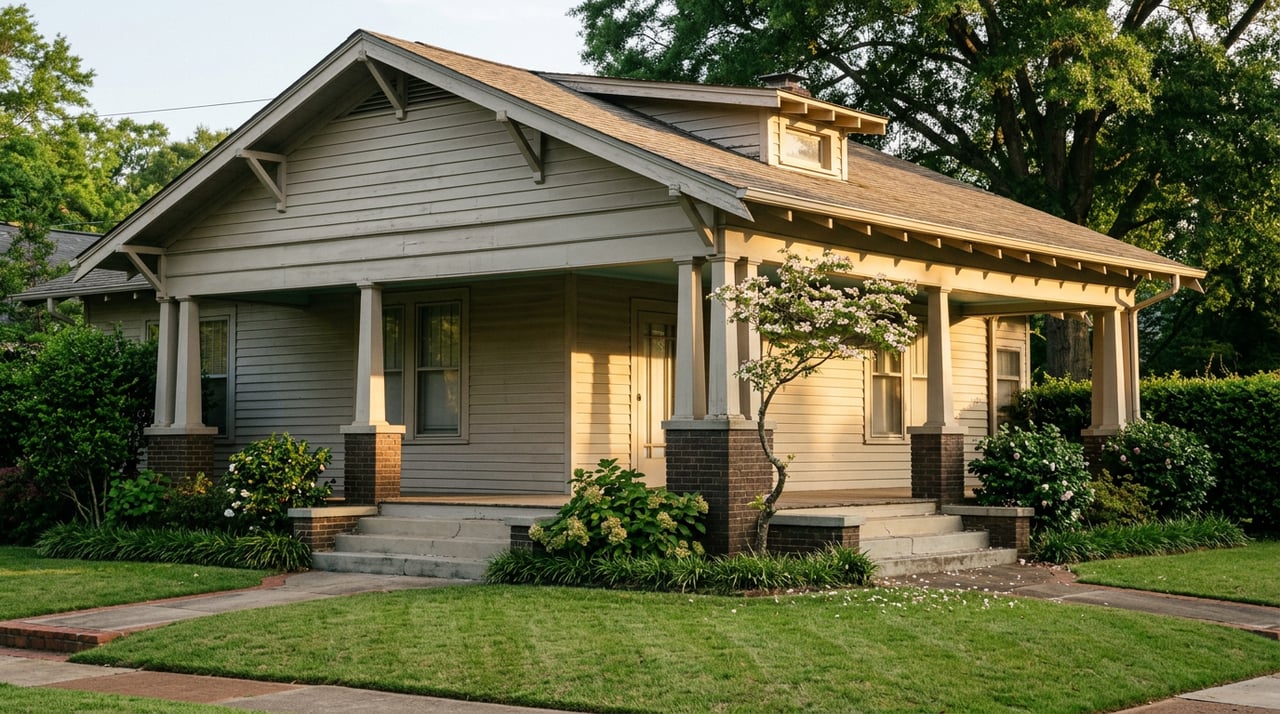
A buyer finds the bungalow. Maybe it's on Felix, maybe it's off Young Avenue, three bedrooms, original hardwood, a wide front porch that needs a coat of paint. The inspection turns up exactly what you'd expect from a house built when the neighborhood was still called Mount Arlington: a run of galvanized pipe under the kitchen, a couple of knob-and-tube stubs in the attic that never got finished off, some settlement cracking near the foundation corner. Nothing unusual. The buyer budgets for it, negotiates a credit, closes.
Then they call a contractor about new windows and vinyl siding to get ahead of next year's paint job, and find out the house sits inside the Cooper-Young Historic District. According to Develop901, the work they planned to start the week after closing needs a Certificate of Appropriateness first. That process runs on its own calendar, and it has nothing to do with the inspection they already passed.
This is the part of buying in Cooper-Young that doesn't show up on a comparative market analysis. The neighborhood's home inspection issues are ordinary for a district built out between the 1890s and the 1930s. What's not ordinary is the second approval layer sitting behind it, one that governs whether and how fast a new owner can actually act on what the inspector found.
What the inspection actually flags in a house this old
Cooper-Young's housing stock dates to the district's build-out in the late 19th and early 20th centuries, a run of Craftsman bungalows, American Foursquares, and the occasional Queen Anne cottage. A typical inspection in a house from that era turns up a predictable list: knob-and-tube wiring remnants and older electrical panels, galvanized plumbing that's due for replacement, foundation settlement or drainage concerns around downspouts and grading, aging HVAC systems paired with limited insulation, and termite activity common enough in this climate that a recent treatment bond is a normal ask at the negotiating table. Nearly all of Cooper-Young's original stock also raises lead-paint concerns if a buyer is planning any remodel that disturbs old paint.
None of that is unique to this neighborhood. Buyers see the same list in Midtown, in Central Gardens, in any Memphis neighborhood with pre-war housing. What changes in Cooper-Young is what happens after the inspection contingency clears.
The second gate: what a Certificate of Appropriateness actually controls
Cooper-Young has been a National Register historic district since 1989, and residents applied for and received Historic Overlay District status in 2018, according to Storyboard Memphis; the City of Memphis recognizes the district as one of nine under its Unified Development Code. That status means the Memphis Landmarks Commission reviews any exterior work visible from the street before a building permit gets issued, under a set of design guidelines the neighborhood adopted in 2000.
The rule of thumb the Commission uses is straightforward, according to the FAQs: ordinary repairs and routine maintenance that don't change how the house looks from the sidewalk don't need a Certificate of Appropriateness. Replace a broken window pane with matching glass, repaint the same color, patch the roof with the same material, and no review is required. But anything that changes the exterior's appearance, replacing wood siding with vinyl, swapping window styles, adding a dormer, reconfiguring a porch, does need one, and that's true even for work that wouldn't otherwise require a building permit at all, like a straightforward door replacement.
One Landmarks Commission staff report on a Cooper-Young property lays out what a typical approval looks like once a homeowner does file. The conditions attached to that approval called for the applicant to
"install historically appropriate wood shutters on the front-facing windows"
sized to the window openings and built to actually open and close, not decorative-only, along with a full color scheme review for the trim, fascia, and soffits. That's the level of detail the Commission works at. It's not a rubber stamp process, and it's not fast.
When someone skips it, the next owner inherits the problem
The same staff report that describes the shutter requirement also documents what happens when a previous owner doesn't go through the process at all. In that case, the prior owners started exterior work without ever filing for a Certificate of Appropriateness or pulling the required building permits. The city issued two separate Stop Work Orders. The property sat vacant and blighted until it changed hands, at which point the new owner had to apply for what the Commission calls a retroactive approval, essentially asking permission after the fact for work that was already underway, while also proposing to finish the roof, porch columns, windows, doors, and remove an unstable chimney.
That sequence, skipped approval, stop-work order, vacant property, incoming buyer stuck sorting it out, is exactly the kind of friction a standard home inspection will never catch, because it isn't a structural defect. It's a paperwork gap that becomes the new owner's problem the day the deed transfers.
What a Cooper-Young renovation timeline actually looks like
| Step | Ordinary Memphis renovation | Cooper-Young overlay renovation |
|---|---|---|
| Interior work (kitchen, bath, non-structural) | Building permits are processed through Develop901 | Same, no Landmarks review required |
| Exterior work visible from the street | City building-permit process | Certificate of Appropriateness required first, then building permit |
| Review body | City permitting staff | Memphis Landmarks Commission, plus city permitting staff |
| Typical review timing | Permit turnaround via Develop901 | COA review tied to Commission's monthly meeting schedule, plus staff review time |
| What happens if skipped | Permit violation | Stop Work Order, possible retroactive COA application, property can sit non-compliant for years |
A buyer who plans to close in October and re-side the house before winter needs to build the Certificate of Appropriateness timeline into that plan from the start, not discover it after the contractor is already scheduled.
What actually needs a COA, and what doesn't
- Needs review: new construction, additions, demolition, replacement siding or windows, porch reconfiguration, new fencing or site improvements visible from the street, exterior color changes on trim and doors in some cases
- Usually exempt: interior remodeling that doesn't touch the exterior, like-for-like repairs that don't change appearance, routine maintenance such as repainting the same color
- Always required regardless of whether a building permit is needed: any exterior alteration, including replacement doors or windows, if it's visible from a public street or sidewalk
What the price data says about who's buying into this
Sold prices in Cooper-Young ran hot through the spring. For the three months ending in May 2026, homes sold at a median of $279,000, up 16.2 percent from the same period the year before, with 24 homes sold that May against 10 the year prior. Homes were also moving faster than the year before, though still averaging around 36 days on market. By September 2026, asking prices had settled back toward that same $279,000 mark, a sign the spring run-up cooled into a steadier late-summer pace rather than continuing to climb.
That price still runs below neighboring Midtown and Central Gardens, where the larger and more architecturally elaborate stock commands more. Cooper-Young's bungalows and foursquares typically trade in a band from the mid-$100,000s up to roughly $400,000 depending on size and condition, which is part of why the neighborhood keeps drawing buyers priced out of the blocks immediately around it.
What that price band doesn't show is how much of the visible renovation on move-in-ready listings already cleared the Commission before it hit the market. A house that's already been re-sided, re-windowed, or had its porch rebuilt with an approved Certificate on file is worth more than the asking price alone suggests, because it's carrying paid-off approval time that a buyer planning the same work themselves would still have ahead of them.
FAQ
Does every house in Cooper-Young need a Certificate of Appropriateness before any work starts? No. Interior work and true routine maintenance that doesn't change the exterior's appearance generally don't require one. Anything visible from the street that alters the look of the house, including window and door replacement, does.
What if the seller already did unpermitted exterior work? Ask directly, and check permit history through the city's Develop901 portal before writing an offer. As the Cooper-Young case on file with the Landmarks Commission shows, unapproved work can trigger a Stop Work Order and leave a new owner filing a retroactive Certificate of Appropriateness application to resolve someone else's shortcut.
Does historic overlay status hurt resale value? The design review process adds time to exterior renovation, but it also protects the character that makes Cooper-Young a draw in the first place. Buyers who want a historic neighborhood generally see the designation as part of the appeal, not a liability.
If you're weighing a Cooper-Young bungalow, or comparing it against another Midtown pocket, it helps to run the numbers with someone who's tracked how this district's approval process actually plays out for buyers before they sign anything. Mary Thornburg works with buyers across the Memphis market from a background in banking and finance, translating what a house will actually cost you in time and dollars once the inspection contingency clears. Schedule a consultation before you write the offer, not after.
This article is general information, not legal, tax or financial advice. Consult a qualified professional about your situation.